Restaurant Discovery
Restaurant SEO vs social media: where the next booking comes from
Social media keeps regulars warm; search captures strangers who are hungry right now. They are not rivals, but budgets are finite — so it is worth being clear about what each channel can and cannot do for a restaurant before the next euro is spent.

Alex Opsenica · Founder, Moolah Media
Most independent restaurants cannot fund everything, so the question arrives eventually: another month of content and boosted posts, or a serious investment in being found on Google? The two channels are usually compared badly — social measured in likes, search measured in rankings — neither of which is a booking. Compared properly, on intent and cost over time, the picture gets clearer.
The difference is intent, not reach
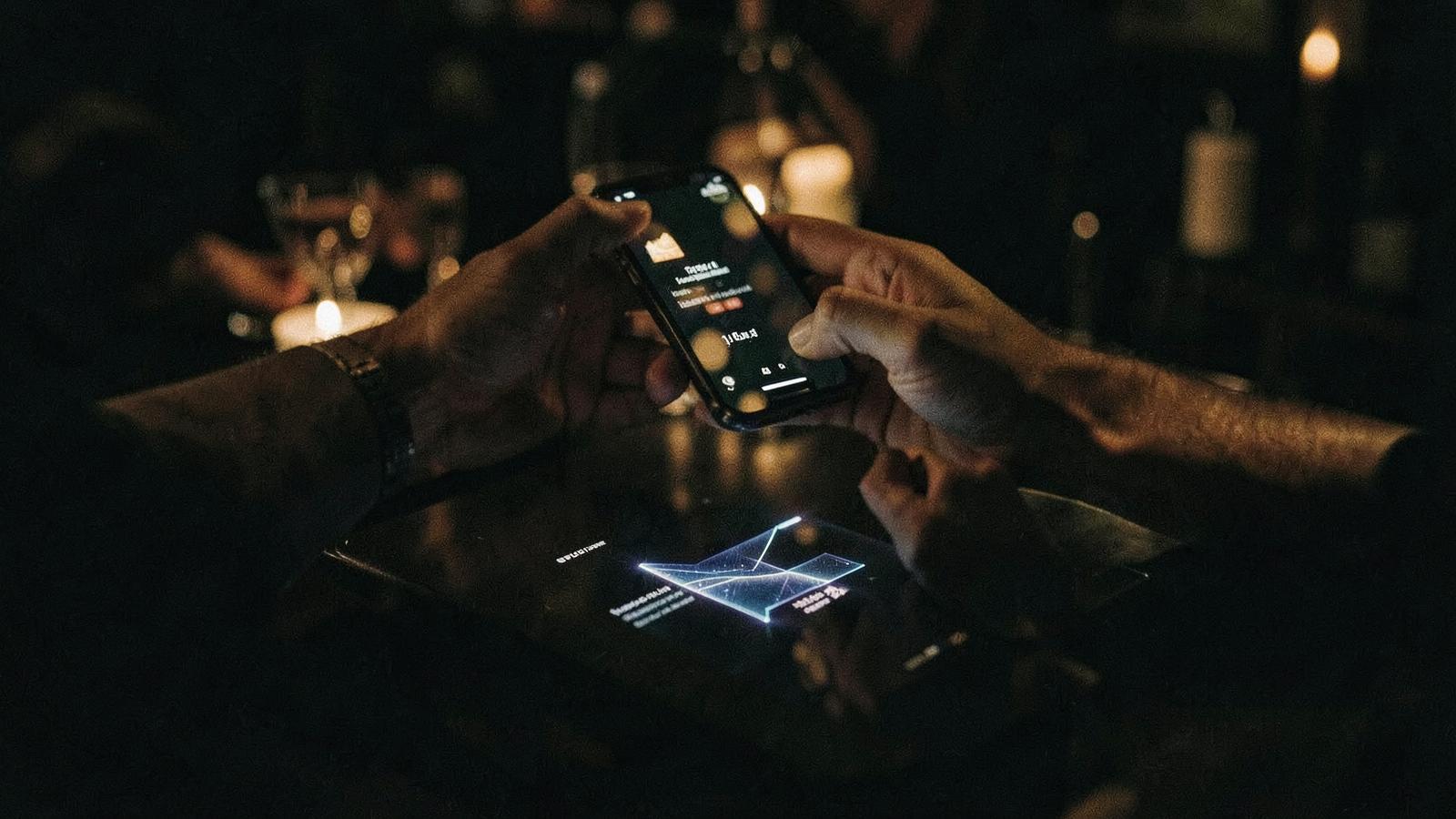
Someone scrolling Instagram at 10pm admires your dish photo and keeps scrolling. Someone typing "romantic restaurant ranelagh saturday" is holding a decision and a wallet. Both are marketing, but only one is demand. Social creates and warms an audience over time; search harvests demand that already exists. Restaurants that mistake reach for intent end up with enviable follower counts and quiet Tuesday nights.
| Search visibility | Social media | |
|---|---|---|
| Who it reaches | Strangers actively deciding where to eat | Mostly people who already follow you |
| Moment of contact | The moment of decision | A moment of leisure |
| Cost pattern | Upfront work, then compounding returns | Stops the day you stop posting or paying |
| Shelf life of the work | A strong page or profile ranks for years | A post fades within days |
| Best at | Capturing bookings and visits | Staying in regulars' minds, launches, atmosphere |
Who it reaches
- Search visibility
- Strangers actively deciding where to eat
- Social media
- Mostly people who already follow you
Moment of contact
- Search visibility
- The moment of decision
- Social media
- A moment of leisure
Cost pattern
- Search visibility
- Upfront work, then compounding returns
- Social media
- Stops the day you stop posting or paying
Shelf life of the work
- Search visibility
- A strong page or profile ranks for years
- Social media
- A post fades within days
Best at
- Search visibility
- Capturing bookings and visits
- Social media
- Staying in regulars' minds, launches, atmosphere
What social media is genuinely good at
None of this dismisses social. It is the right tool for jobs search cannot do: announcing a new menu to people who already love you, filling a last-minute cancellation, showing atmosphere no profile listing can convey, and giving a chef's personality a stage. A restaurant with a loyal following feels busy because it stays in its audience's head between visits. That has real value — for retention.
What social rarely does is introduce the restaurant to the visitor from out of town, the office manager booking a group dinner, or the couple comparing three options on a street corner. Those guests do not follow you yet. They are in Google.
What search does that social cannot
- Captures the highest-intent queries in the business: "near me", "open now", "book a table", "private dining" — each one a guest ready to act
- Compounds: a well-built profile, review base and website keep producing bookings without a daily content treadmill
- Reaches people who have never heard of you — which is the definition of growth
- Feeds every other surface: Maps, AI assistants, guides and booking platforms all read from the same public record search uses
The cost curve over two years
How to tell which channel is actually working
Search is the easier channel to count. Your Business Profile reports calls, direction requests and website visits directly; your booking platform reports where reservations came from; your website analytics shows which visitors arrived from search and what they did. Add those three together and search's contribution is a number, not a feeling.
Social needs a humbler method, because its influence is real but indirect. The simplest honest test: for one month, ask every new face a single question — "how did you hear about us?" — and tally the answers at the pass. Most restaurants that do this are surprised twice: how often the answer is "Google", and how rarely an established regular names a specific post. Neither surprise is an argument against social; both are arguments for funding the channel that demonstrably fills seats first.
How to split the budget sensibly
| Stage | Search foundations | Social content | Why |
|---|---|---|---|
| Opening or relaunch | Most of it | A launch announcement and a steady trickle | Strangers cannot follow you until they find you |
| Established, gaps in search | The majority until fixed | Maintenance rhythm for regulars | Every leak in search taxes every other channel |
| Search strong, growth phase | Light maintenance and new pages | A larger share, now it compounds | Social warms an audience search keeps supplying |
Opening or relaunch
- Search foundations
- Most of it
- Social content
- A launch announcement and a steady trickle
- Why
- Strangers cannot follow you until they find you
Established, gaps in search
- Search foundations
- The majority until fixed
- Social content
- Maintenance rhythm for regulars
- Why
- Every leak in search taxes every other channel
Search strong, growth phase
- Search foundations
- Light maintenance and new pages
- Social content
- A larger share, now it compounds
- Why
- Social warms an audience search keeps supplying
- Fix the search foundations first: profile, categories, menu page, reviews, measurement. Without these, every other channel leaks.
- Let social do what it is good at: a sustainable rhythm for regulars, not a daily grind for strangers.
- Point everything at the same place: social content links to the booking page; the website converts the demand search sends.
- Review quarterly on bookings, not vanity metrics — and be honest about which channel filled tables.
The restaurants that get this right treat search as infrastructure and social as hospitality. Infrastructure is unglamorous and pays for years; hospitality is visible and keeps the room warm. Build the infrastructure first.
Source: Think with Google — consumer search behaviour research — Google's own research on how local searches lead to visits and purchases within a day.
Common questions
Should a new restaurant prioritise SEO or Instagram?
Search foundations first, always. A new restaurant's earliest covers come from people nearby searching for somewhere to eat, not from followers it does not have yet. Once the profile, menu page and review habit exist, social is an excellent second channel.
Can social media replace a website for a restaurant?
No. Social profiles are rented space that guests cannot reliably book from and search engines treat as secondary. Your website and Business Profile are the assets searchers actually land on — social should point at them, not replace them.
How do I know which channel is actually filling tables?
Search is measurable directly: calls, direction requests and website bookings from your Business Profile are counted, and booking platforms report source. Social requires more judgement, but a simple habit helps — ask new guests how they found you and tally the answers for a month.
Is TikTok different — can it bring new customers?
Occasionally, yes: a viral clip can fill a restaurant for weeks. But it is a lottery, not a system, and the spike fades. Treat it as a welcome bonus on top of search foundations, never as the plan.
How much should a restaurant spend on marketing each month?
There is no honest universal figure — it depends on your market, margins and how much of the demand around you is going to competitors. What can be said: whatever the amount, sequence beats size. Fixing a profile, menu page and review habit first makes every later euro — on social, ads or anything else — work harder. Spending in the wrong order is how restaurants burn budget and conclude marketing does not work.
My competitor has a huge Instagram following — should I chase it?
Only if their tables are full because of it, and that is rarely knowable from the outside. What is knowable: who appears when someone nearby searches for what you both serve. Win that comparison first; a following built on a full restaurant is far easier than the reverse.
Working on this yourself? How Moolah builds the search side.
Want to know where your restaurant stands?
Start with a focused review of your current search visibility, your listings across discovery platforms and your competitive position.
Get Your Free Visibility AuditWritten by
Alex Opsenica
Founder, Moolah Media
Founder of Moolah Media, a specialist restaurant growth and local SEO agency based in Ireland, working directly with hospitality operators on search, Google Business Profile and bookings.
Continue exploring

Restaurant Discovery
Google, review sites and booking platforms: how restaurant discovery really works
Guests move between Google, review sites, your website and booking platforms before they book. Here is what each surface controls and what you can influence.
3 min read
Read Insight
Restaurant SEO
Restaurant Google Ads vs SEO: where to spend first
Ads rent visibility; SEO builds it. How to decide where a restaurant's next marketing euro works hardest — and when the honest answer is both.
3 min read
Read InsightRestaurant Discovery
AI search and restaurant discovery: what actually changes
ChatGPT and AI Overviews are changing how guests find restaurants. What is genuinely new, what has not changed, and what to do about it.
4 min read
Read Insight